
Stop Replacing Linens Every Season: The B2B Guide to Winning the War on Stains

Is your replacement budget bleeding because of "stubborn" stains? In the hospitality, healthcare, and spa sectors, a single stain isn’t just an eyesore, it’s a direct hit to your bottom line. Most businesses respond by using harsher chemicals or higher temperatures, but that only accelerates fabric fatigue.
At Pro-Chem, we’ve spent 30 years perfecting the chemistry of "clean" without the "damage".
How to Remove Industrial Stains Without Damaging Fabric?
To remove stubborn industrial stains safely:
Identify the Base: Determine if the stain is oil, protein, or tannin-based.
Act Fast, But Cool: Use cool water for protein stains (blood/food) to prevent "setting" the proteins.
Emulsify Oils: Use a dedicated Emulsifier for massage oils and grease to break the molecular bond without high-heat damage.
Avoid Harsh Bleach: Opt for oxygen-based brighteners or high-concentration detergents that lift dirt via surfactants rather than chemical erosion.
Relax the Fibers: Use industrial-grade softeners to prevent pilling and make future stains easier to lift.
The Top 10 Stains & Pro-Solutions
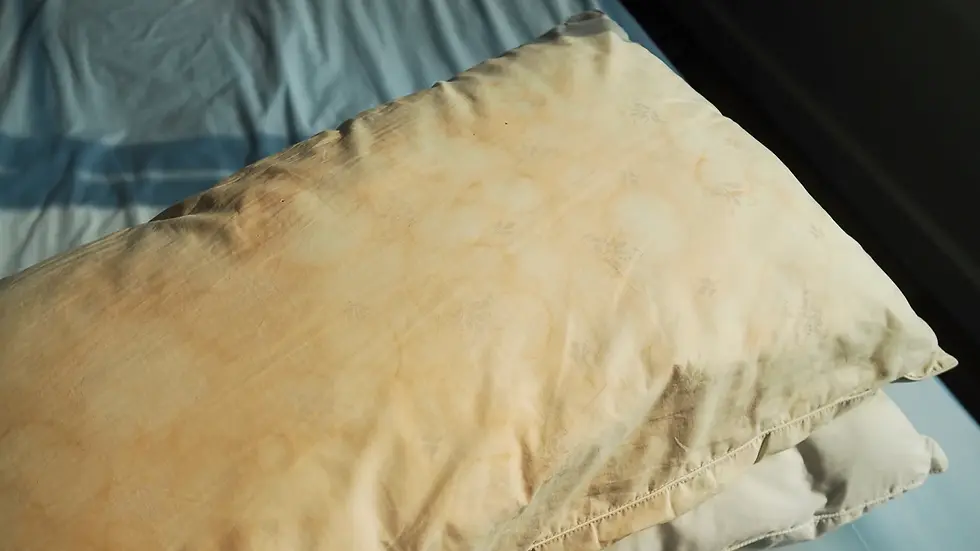
1. Massage & Essential Oils (The Spa Killer)
Standard soap won't cut it. You need a specialized Emulsifier. It turns stubborn oil into a water-soluble "milk" that rinses away, preventing that dreaded rancid smell and yellow tint.
2. Body Oils & Sweat (The Yellowing Effect)
Found on pillowcases and uniforms. High-concentration liquid detergents break down these organic fats before they oxidize and turn yellow.
3. Blood & Protein (Healthcare & Hospitality)
Never use hot water. Heat "cooks" the protein into the fiber. Use cold water and a surfactant-heavy detergent to lift the stain while it's "wet."
4. Coffee & Tea (Tannin Stains)
Tannins bond quickly to natural fibers. An immediate soak in a mild acidic solution or a specialized laundry detergent is required to neutralize the pigment.
5. Makeup & Foundation
These are often oil-based and pigmented. Treating them with an emulsifier before the main wash ensures the pigment doesn't settle into the fabric grain.
6. Red Wine
Forget the salt myths. For B2B volume, an oxygen-based whitening agent provides the "lift" needed without the corrosive damage of chlorine bleach.
7. Industrial Grease & Ink
Common in F&B and automotive sectors. These require a heavy-duty degreaser or emulsifier that can penetrate deep into polyester and cotton blends.
8. Food Grease & Sauces
Soy sauce and gravy are double-threats (tannin + grease). Our multi-cleaner formulations are designed to attack both layers simultaneously.
9. Grass & Mud (School & Sports Uniforms)
These are abrasive stains. You need a detergent that suspends the dirt in the water, preventing it from redepositing back onto the clean fabric.
10. Hard Water Scale
Technically not a stain, but it makes fabrics gray and stiff. Using a professional-grade softener relaxes the fibers and neutralizes mineral buildup.
Why Pro-Chem? (Humanizing the Science)

We know that in a 24-hour laundry or a busy hotel, you don't have time to "hand-treat" every napkin. You need a system that works in the machine, every time.
"More soap" isn't the answer, better chemistry is. By using our Halal-certified, high-concentration formulas, you use less product per load, save on water, and keep your linens in service longer.
Stop washing. Start Preserving.


Comments